The Benefits of Active Recovery (And How to Do It Right)
What is active recovery and does it actually help? Learn how it reduces soreness and improves performance, and the best ways to use it.
 By Amnon V. ·
TL;DR
What Active Recovery Is
Rest days don’t have to mean doing nothing, and the research suggests they probably shouldn’t. The instinct to collapse on the couch when you’re sore is understandable and, it turns out, slightly counterproductive. Gentle movement usually beats stillness.
The purpose is to promote recovery, not to add training stimulus. It is distinct from both full rest (complete inactivity) and training sessions. Examples include a 30-minute walk, a light cycling session, swimming at a relaxed pace, or a mobility and stretching routine. The defining characteristic is low intensity: heart rate should stay below 60–65% of maximum, and the activity should feel easy throughout.
Why It Works Better Than Complete Rest
The mental shift: movement isn’t an interruption of recovery; it’s part of it. A stiff muscle is a bit like a cold engine. Sitting still keeps it cold; turning it over gently is what loosens it.
Light movement increases blood flow to the muscles without adding fatigue or fresh damage, and gentle activity has a mild pain-relieving effect of its own. That’s the honest reason a walk usually loosens you up more than a day on the sofa, not because you’re flushing anything out. There’s nothing left to flush: the byproducts from yesterday’s session were gone within the hour.
Light movement does seem to take the edge off soreness compared with doing nothing, though the effect is modest and the research base is small. What it reliably does is keep you moving, which for most people matters more than the soreness itself: a rest day that involves a walk is far less likely to become a rest week. Don’t expect it to make you perform better tomorrow, because the evidence there is mixed.
The psychological benefit is also relevant: maintaining some form of daily movement preserves the habit and momentum of consistent training, reducing the likelihood of extended inactivity.
What to Do for Active Recovery
The best active recovery activities are those that feel natural, sustainable, and genuinely easy:
- Walking: 20–45 minutes at a comfortable pace. The most accessible and effective option for most people.
- Light cycling: stationary or outdoor at low resistance, 20–30 minutes
- Swimming: easy laps with minimal effort, 20–30 minutes
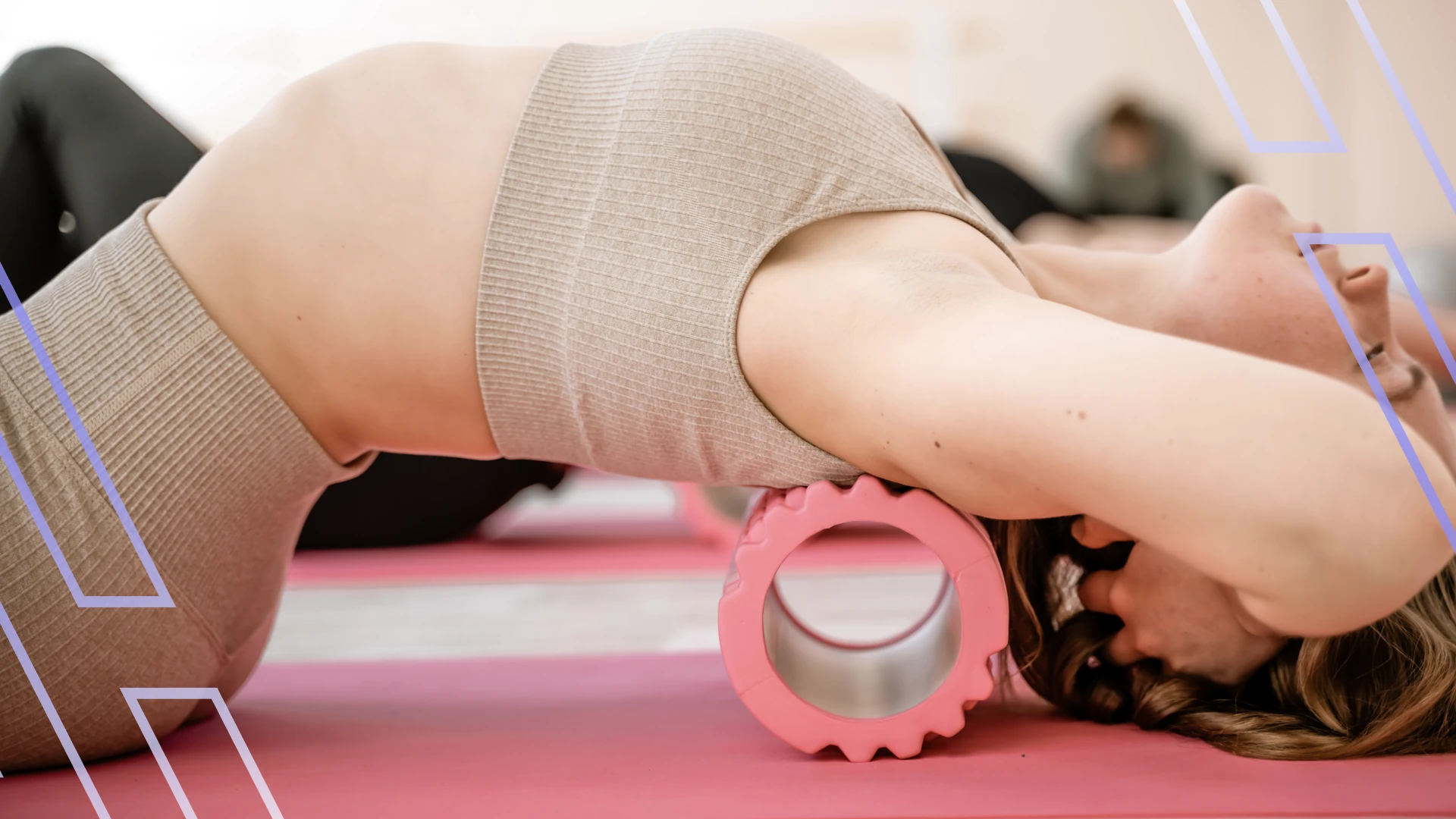
- Yoga or mobility work: 20–40 minutes focused on range of motion and tissue quality
- Light stretching: particularly for muscle groups trained heavily in recent sessions
Avoid activities that produce significant fatigue or soreness. If an activity feels challenging, it is training, not recovery.
How Intense Should Active Recovery Be?
Active recovery should feel genuinely easy. A simple rule: you should be able to hold a full conversation throughout the entire session without difficulty. If breathing becomes labored or effort feels moderate to high, the intensity is too high for a recovery session.
Duration: 20–45 minutes is sufficient for most active recovery sessions. Longer is not more beneficial and risks adding fatigue rather than removing it.
Frequently asked questions
Should I do active recovery every rest day?
Not necessarily. If fatigue is high or sleep has been poor, complete rest is appropriate. Active recovery is most useful when mild soreness or stiffness is present.
Can active recovery replace a rest day?
Active recovery days are still rest days from training. They do not provide the systemic recovery benefit of complete rest for heavily fatigued individuals.
Is stretching a form of active recovery?
Yes, particularly dynamic stretching and mobility work. Static stretching is worth doing if you want to be more flexible or you simply like how it feels, but not as a soreness treatment: the research puts its effect at about one point on a hundred-point scale but is a reasonable addition to an active recovery session.
Sources & further reading
- Cheung, Hume & Maxwell (2003), Sports Med — soreness & light movement
- Walsh et al. (2021), Br J Sports Med — recovery & sleep
- Dupuy et al. (2018), Front Physiol — recovery techniques meta-analysis
- Herbert, de Noronha & Kamper (2011), Cochrane Database Syst Rev — stretching & soreness
All Gymverse articles are reviewed against current research. See our full References & Research page.
Turn what you just learned into a training plan that works for you. Personalized structure. AI coaching. Real progress.
START TRAINING →