What Is DOMS? How Muscle Soreness Actually Works
Why are your muscles sore after a workout? Learn what DOMS is, what causes delayed onset muscle soreness, and what it actually tells you about your training.
 By Amnon V. ·
TL;DR
What DOMS Is
Soreness feels like proof you did something. It’s really proof you did something new. That distinction is the whole misunderstanding behind DOMS (delayed onset muscle soreness) and getting it right changes how you read every workout afterward.
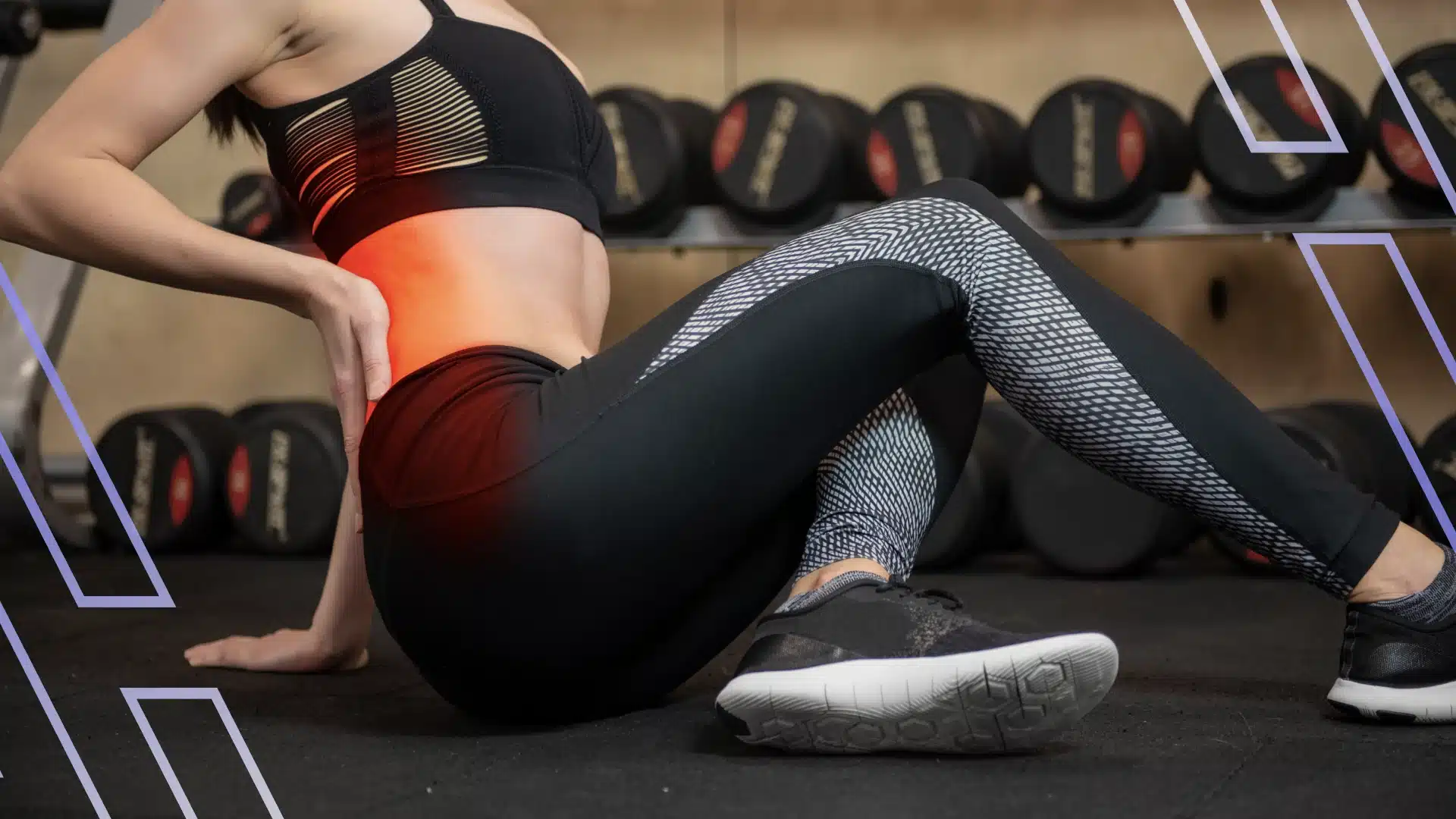
Unlike the burning sensation felt during a set, DOMS appears hours after training and typically peaks between 24 and 72 hours post-exercise. It is extremely common, affects everyone from beginners to experienced athletes, and is not a sign of injury or poor programming.
What Actually Causes It
DOMS is caused by microscopic damage to muscle fibers, particularly from eccentric movements, where the muscle lengthens under load. Examples include the lowering phase of a squat, the descent in a bicep curl, or running downhill.
It’s the muscular version of blisters from new shoes. The blisters tell you the shoes were unfamiliar, not that the walk was good, and they stop appearing once you’ve broken them in. Same shoes, same walk, no blisters. You didn’t get worse at walking.
This microtrauma triggers an inflammatory response. The body sends fluid and immune cells to repair the tissue, which causes the swelling and sensitivity associated with soreness. The soreness itself involves inflammation and nerve sensitization, not just fiber damage, which is part of why how sore you feel correlates poorly with how much actual muscle damage occurred.
The common belief that lactic acid causes DOMS is incorrect. Lactate clears from your muscles within an hour or so of finishing. It plays no role in the delayed soreness that appears the following day.
Does Soreness Mean the Workout Was Effective?
No. Soreness and muscle growth are related processes, but soreness is not a reliable measure of training quality.
Treat DOMS as a novelty alarm, not a progress meter. It fires loudest when you do something unfamiliar and goes quiet as your body adapts, which means a workout that leaves you wrecked early on will barely register months later, even as you get stronger. If you chase the alarm by constantly changing exercises, you’re optimizing for novelty, not growth.
Progress should be measured by strength improvements and performance, not by how sore you feel the next day.
What to Do When You Have DOMS
Mild to moderate DOMS does not require complete rest. Light movement (walking, mobility work, or a lower-intensity session) promotes blood flow and typically reduces soreness faster than inactivity.
Training the same muscle group again is generally fine once soreness is mild. Waiting until it disappears completely is unnecessary and reduces training frequency without benefit.
Sharp, localized pain (particularly around joints) is different from DOMS. That warrants rest and, if persistent, medical assessment.
Frequently asked questions
How long does DOMS last?
Most cases resolve within 3–5 days. Severe DOMS from very unfamiliar exercise can last up to a week.
How do you reduce DOMS?
Light activity, adequate protein intake, sleep, and hydration all support recovery. Cold or warm exposure can dull how sore you feel, at least for a while. One caveat on cold, though: an ice bath straight after lifting appears to blunt the muscle and strength gains from that session, so save it for when performing tomorrow matters more than growing.
Is it bad to work out every day if you have DOMS?
Not necessarily. You can train different muscle groups while others recover, or do light active recovery sessions on sore days.
Sources & further reading
- Cheung, Hume & Maxwell (2003), Sports Med — DOMS mechanisms; lactic-acid myth
- Roberts et al. (2015), J Physiol — cold water immersion & adaptation
- Mizumura & Taguchi (2016), J Physiol Sci — DOMS mechanism
All Gymverse articles are reviewed against current research. See our full References & Research page.
Turn what you just learned into a training plan that works for you. Personalized structure. AI coaching. Real progress.
START TRAINING →